
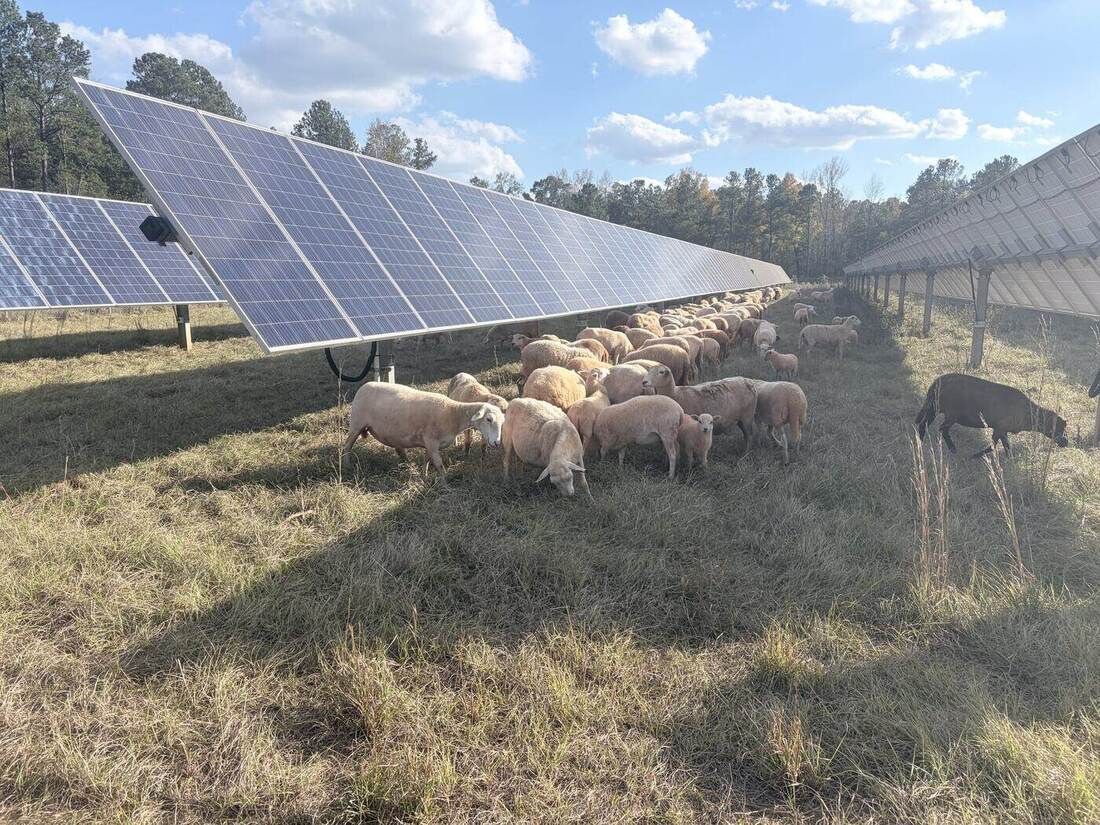
Sheep
The zero-turn
Graze grass and broadleaf weeds close and even, right up to posts and under cables where mowers can't reach.
Multi-species grazing, our own mowing fleet and GPS-collared flocks for utility-scale solar across the Southeast.
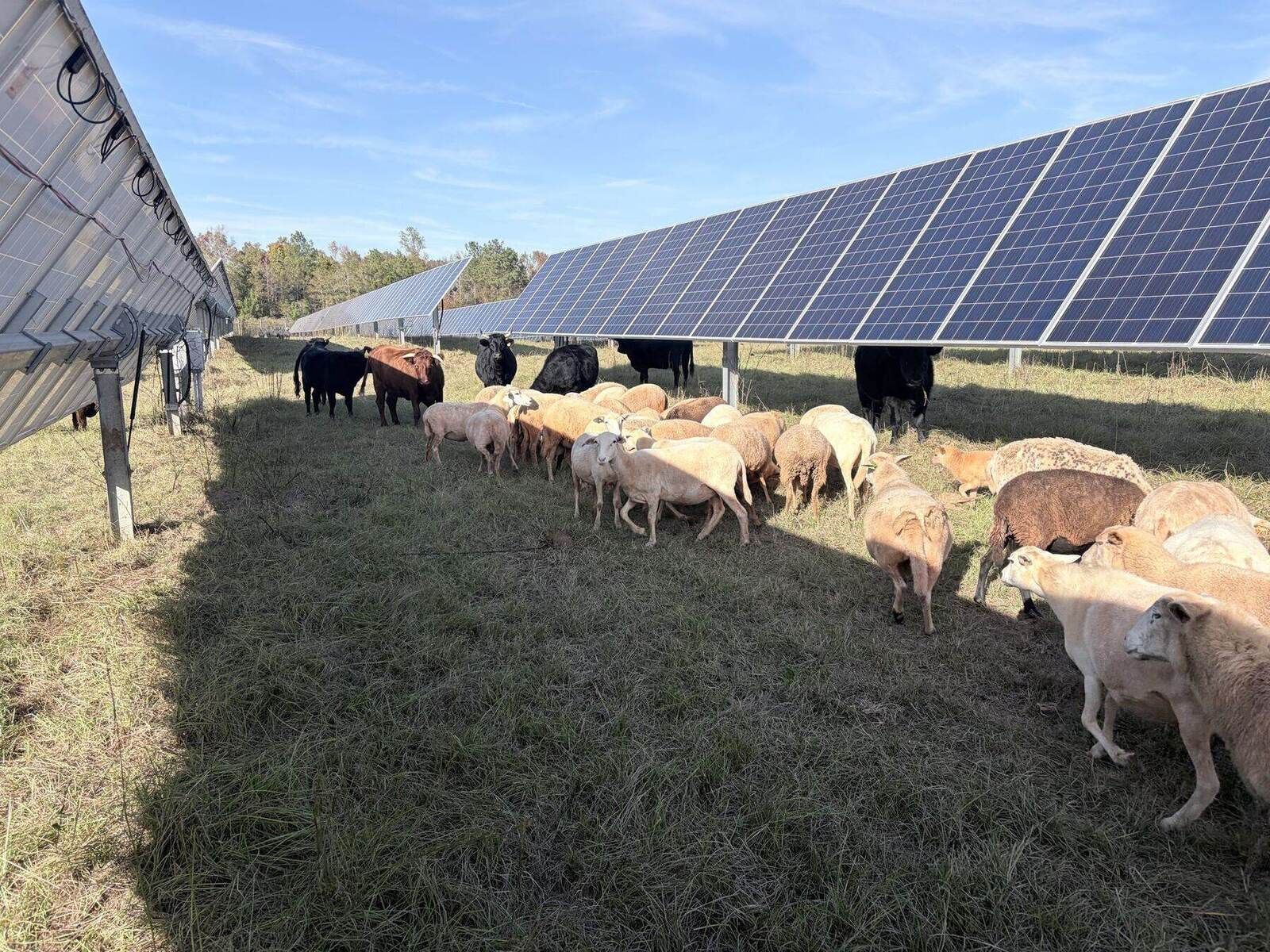
Beau runs his crew the way a mowing contractor runs equipment, matching each tool to the vegetation in front of it.
The zero-turn
Graze grass and broadleaf weeds close and even, right up to posts and under cables where mowers can't reach.
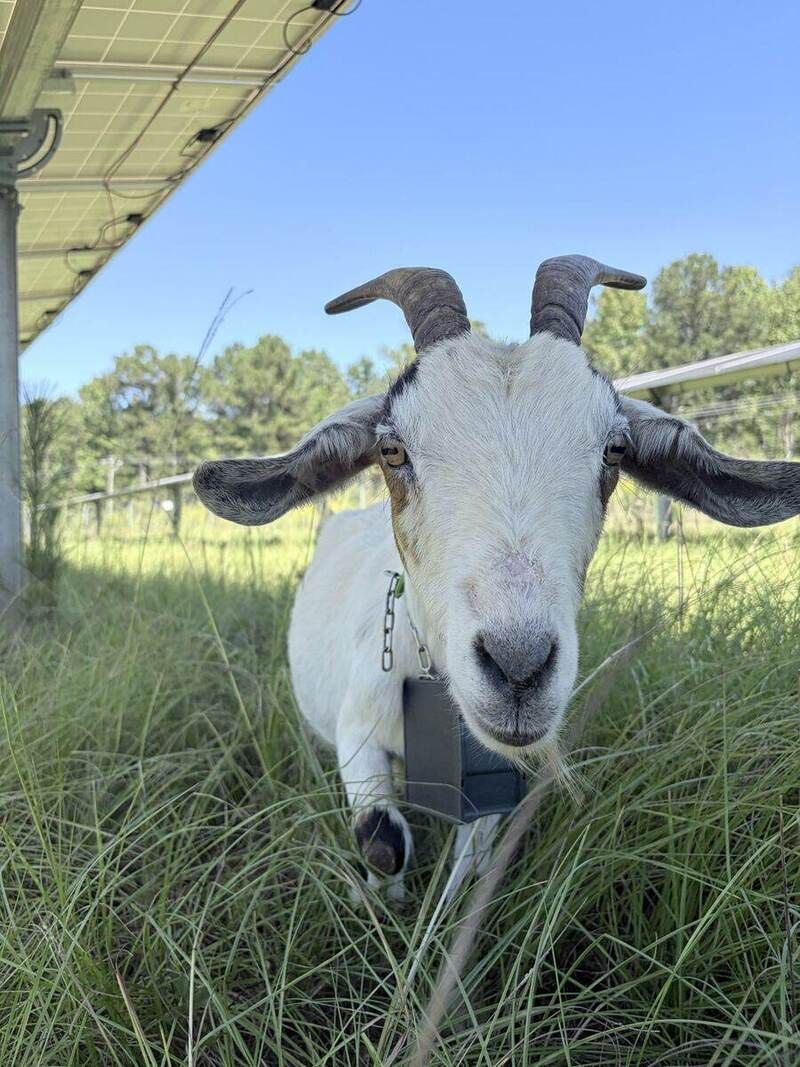
The weed eater
Browse blackberry, vines and saplings along fence lines until the roots give out.
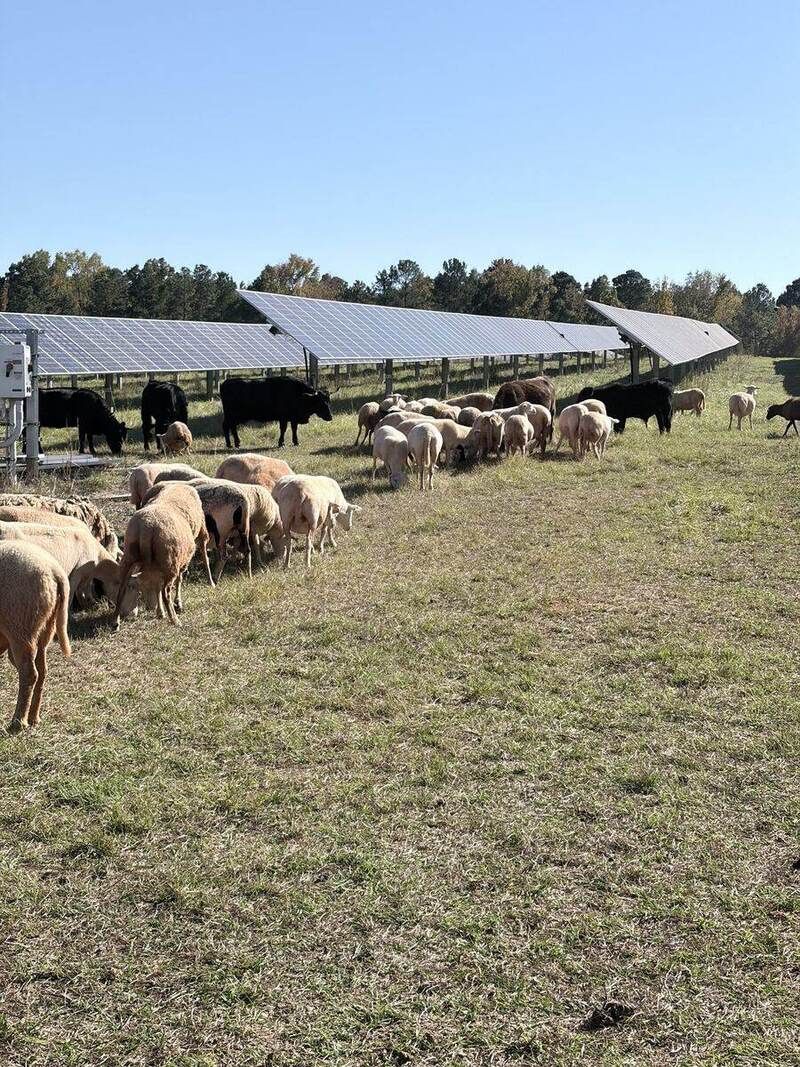
The bush hog
Take down heavy grass in open ground, corridors and areas outside the array.
The finish
Tractors, mowers and trimmers handle clear zones, roadsides and any acres not yet in the grazing rotation.
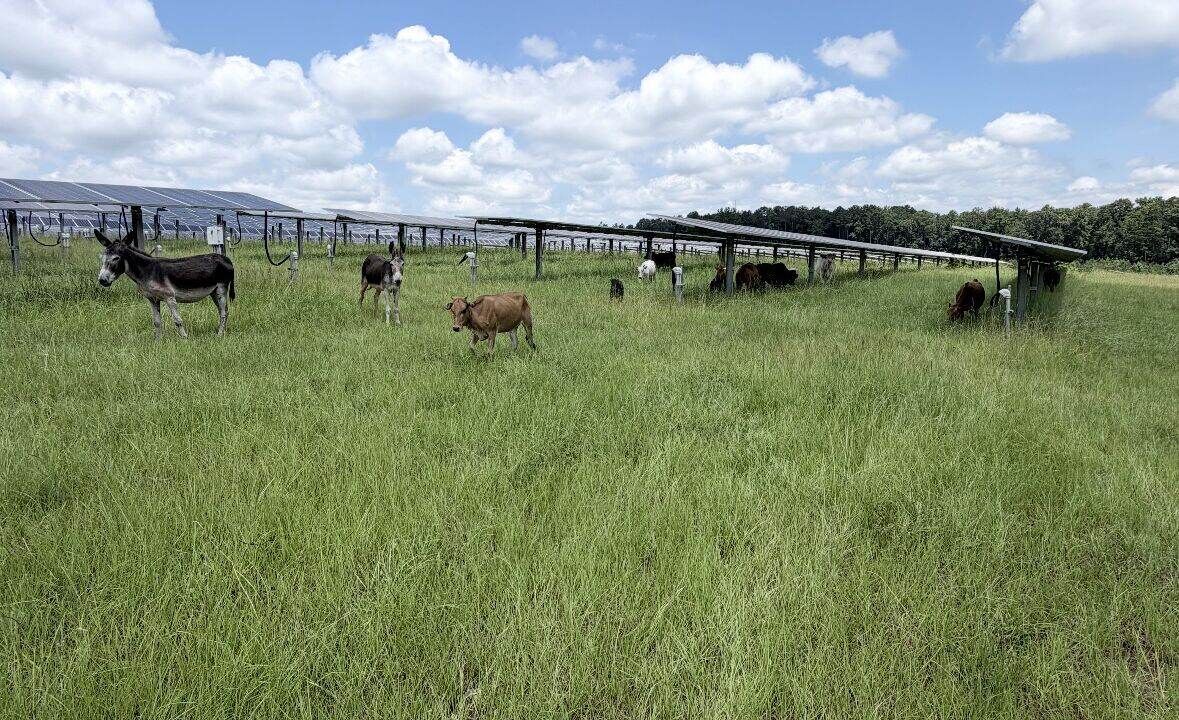
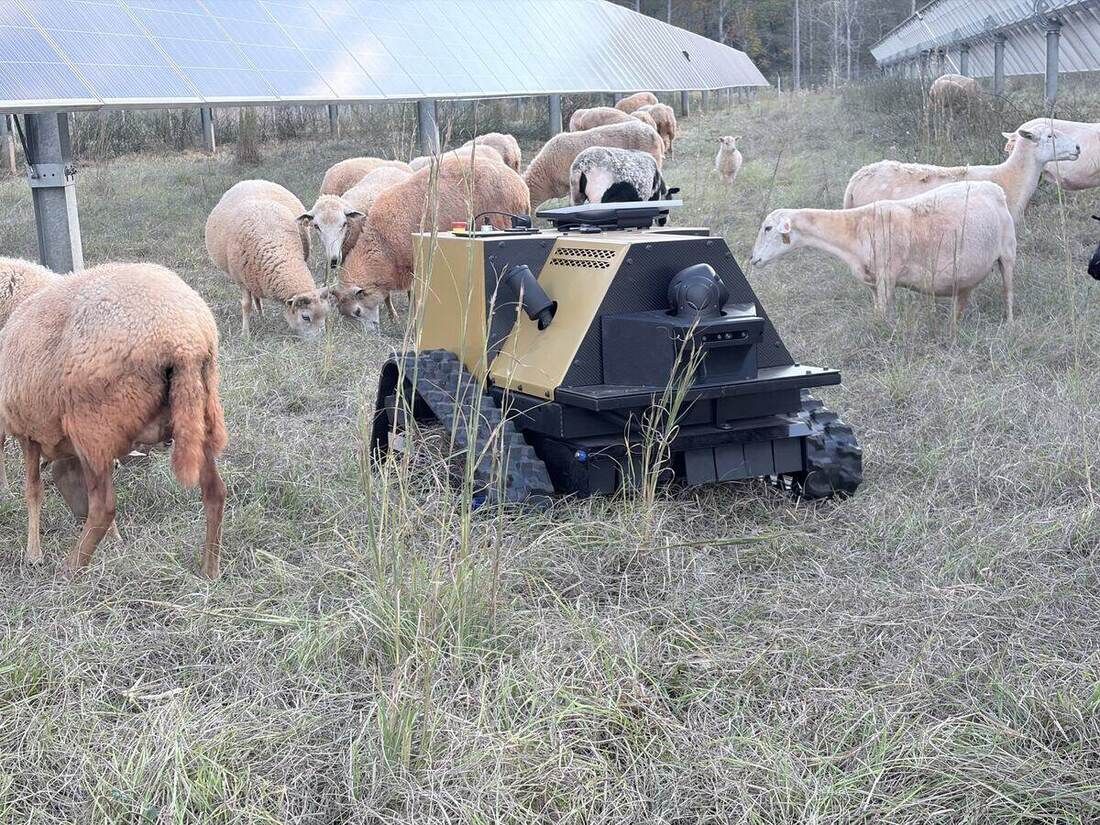
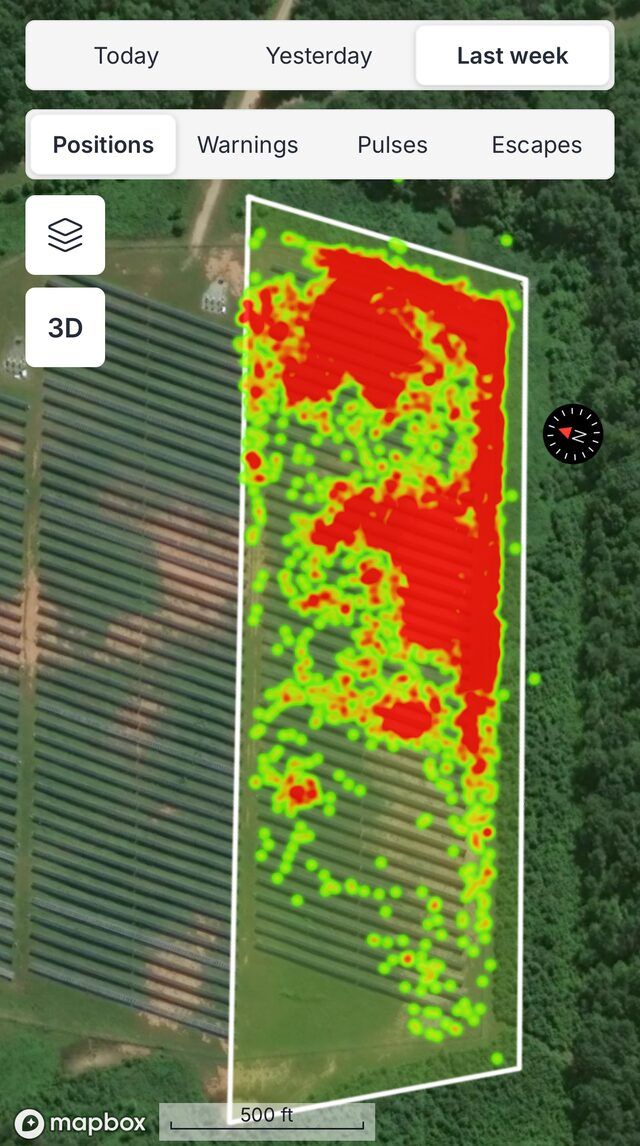
GPS collars, grazing data and robot mowers let one crew manage sites spread across several states.
Solar-powered collars hold the flock to a paddock and keep animals away from inverters and other equipment.
Maps show where the flock grazed and where it missed, so boundaries move to the grass that needs it.
If an animal stops moving or its activity drops, Beau gets an alert and someone checks on it.
Robots mow paddocks ahead of the flock for fresh regrowth and finish behind it for an even cut.
We tour the array, check forage, water and access, and note every piece of equipment the animals must avoid.
Paddocks and exclusion zones go into the collar app before a single animal arrives.
Animals learn the virtual fence on a small training pasture, then move to daily paddocks.
Grazing, mowing and trimming run on schedule, with regular reports to your O&M team.
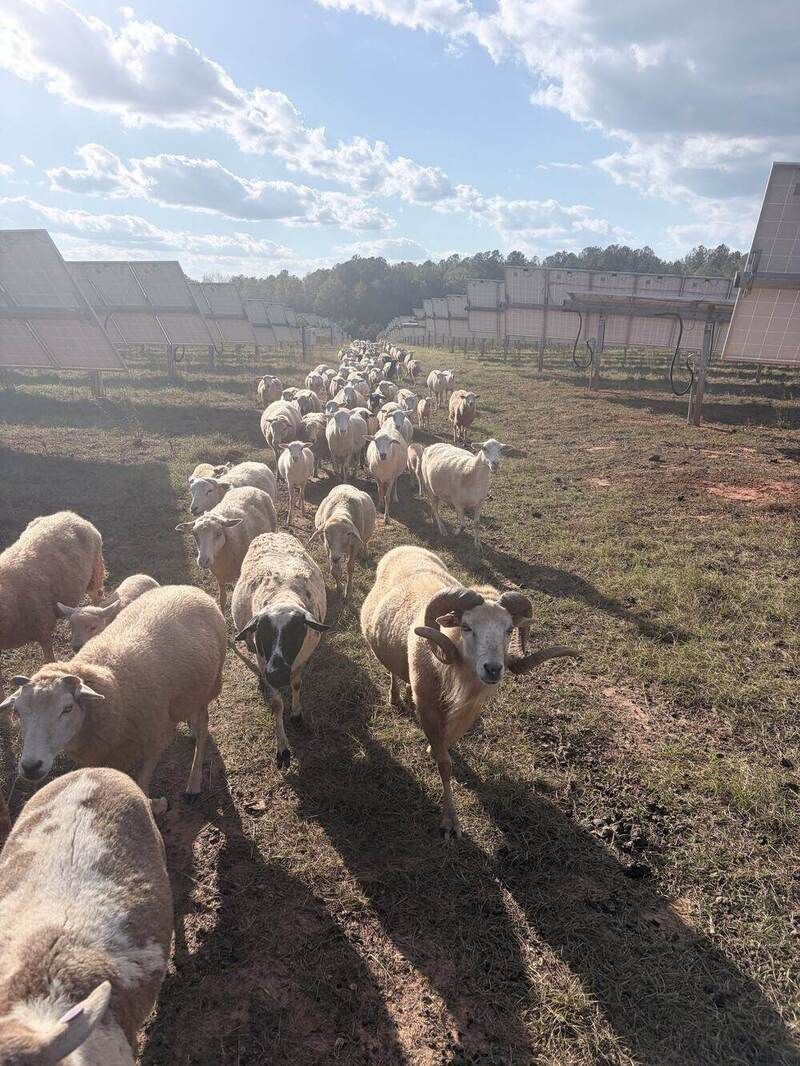
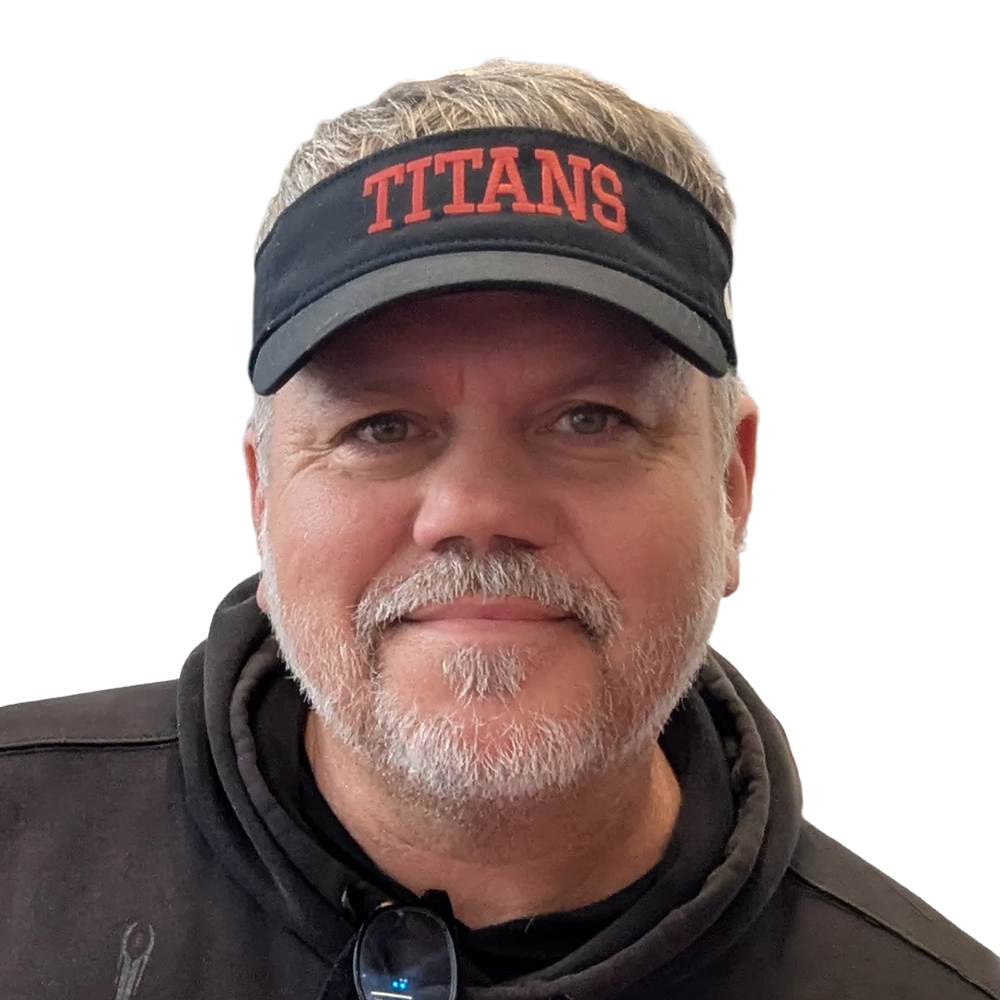
Beau has run his livestock operation since 2001, starting with cattle in middle Georgia. Leasing land and custom grazing for other owners led him to solar sites, which are now the heart of his work.
He builds every grazing plan around one idea: different animals do different jobs, and a healthy site gives each of them room to do it.
Beau serves solar sites in:
GPS collars, grazing data and robot mowers let one crew manage sites spread across several states.
Tell Beau about your site, its acreage and when you need service to start. The button opens an email with these prompts filled in:
This site has no contact form. Your message goes from your own email app straight to Beau. Privacy